Microbiome testing & Clinical Observations
“If you don’t measure it, you can’t change it!”
Tests can be arranged on an individual basis and performed at your appointment. These can include:
Microbiome and gut health testing. The microbiome can protect you from disease, digest nutrients, produce vitamins, and may prevent chronic disease. It affects our metabolism/obesity, immunity/allergies, inflammation, hormones and through the gut-brain axis can affect our mental health and brain fog. If we have an impaired microbiome, inflammatory substances can leak from the gut into our bloodstream causing inflammation, leading to fatigue, bowel symptoms, low mood and pain.
Having a healthy microbiome helps maintain a healthy weight. An unhealthy microbiome will affect not only our weight, but mood and sleep.
Continuous blood glucose monitoring may be useful to help inform the effects of certain foods and activity. It can be good motivator and interpreted to tailor specific advice.
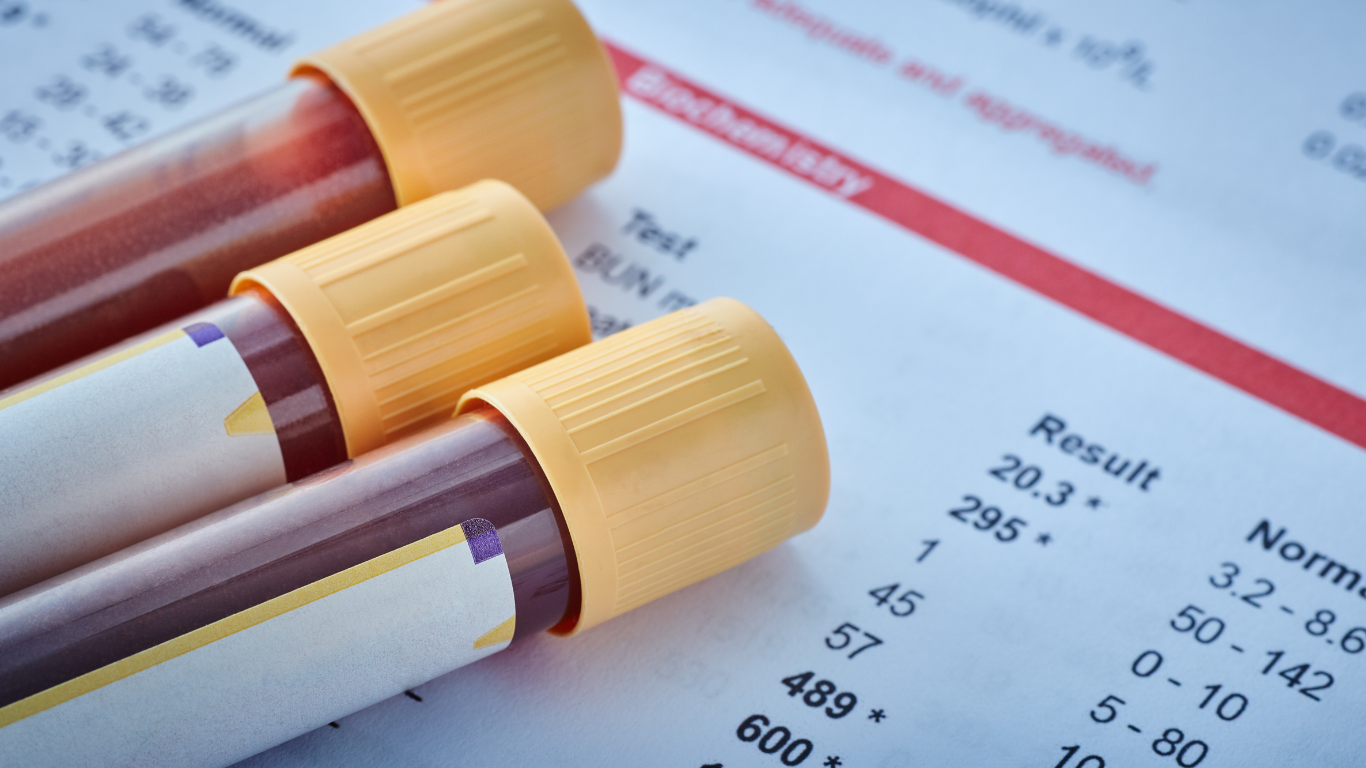
Blood tests may be recommended. If consulting remotely, these can be arranged locally, either at a clinic near home or a visiting phlebotomy service at your home.
Track the markers traditional healthcare ignores, understanding your baseline biomarkers, the ones that show how your body is really performing long before symptoms appear. From hormones and recovery capacity to cellular energy and nutrient status, create a personalised optimisation plan designed to elevate your energy, focus, and physical performance.
This is proactive longevity. Don’t wait until burnout, injury, or fatigue hit, start optimising today.
Yearly baseline tests and then 4-6 monthly progress tracking is optimal.
TruCheck™ Early Cancer Screening Blood Test
Check for over 70 types of cancer with the TruCheck™ Early Multi-Cancer Screening blood test. This ground-breaking blood test for cancer checks for the early detection of cancer in people over 40 years of age, including breast, ovarian, melanoma, liver, lung and prostate cancer. This non-invasive blood test has been validated on over 40,000 participants and checks for the existence of circulating tumour cells in the blood, identifying cancer type and organ of origin. This test can be used as part of an annual check-up to detect the presence of early-stage cancer.